
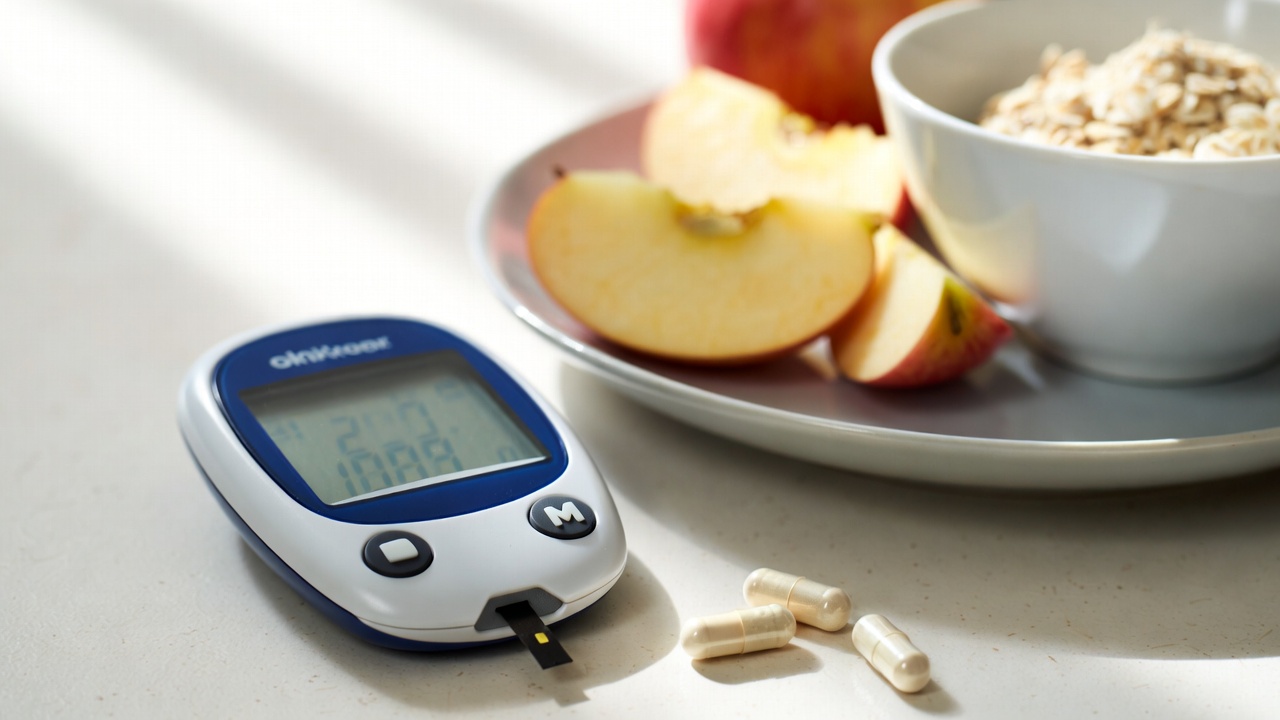
Metformin is widely considered the first line of defense for people diagnosed with Type 2 diabetes. Reliable, effective, and affordable, this medication has been used for decades to help millions of people manage their blood sugar levels. But beyond diabetes, Metformin is also gaining attention for its potential benefits in weight management and metabolic health. In this guide, we’ll cover everything you need to know about this essential medicine.
1. How Does Metformin Work?
Unlike some other diabetes medications, Metformin doesn’t increase the amount of insulin your body makes. Instead, it helps your body use the insulin it already has more effectively.
- Reduces Glucose Production: It tells your liver to produce less sugar.
- Improves Insulin Sensitivity: It makes your muscle tissues more sensitive to insulin, so they can absorb glucose better.
- Slows Absorption: It slows down the absorption of sugar from the food you eat.
2. Beyond Diabetes: Metformin and Weight Loss
Many patients notice a slight decrease in weight when starting Metformin.
- Appetite Suppression: It may help reduce hunger signals in the brain.
- Metabolic Boost: By balancing insulin levels, it prevents the body from storing excess fat as easily.
- PCOS Support: Doctors often prescribe it “off-label” to women with Polycystic Ovary Syndrome (PCOS) to help balance hormones and improve fertility.
3. Dosage and Administration
Metformin is available in two main forms:
- Standard Release (IR): Usually taken two or three times a day with meals.
- Extended Release (ER/XR): Taken once a day, usually with dinner. This version is designed to release the medicine slowly and is much gentler on the stomach.
Common Strengths: 500mg, 850mg, and 1000mg.
4. Tips for Managing Side Effects
The most common side effect of Metformin is a temporary upset stomach (nausea or diarrhea). Here is how to avoid it:
- Start Low, Go Slow: Most doctors start with a small dose and increase it gradually.
- Always Take with Food: Never take Metformin on an empty stomach.
- Switch to ER: If the standard tablets bother your stomach, the Extended Release (ER) version often solves the problem.
Comparison: Generic vs. Brand Name (Glucophage)
| Feature | Generic Metformin | Brand Name Glucophage |
|---|---|---|
| Active Ingredient | Metformin HCL | Metformin HCL |
| Blood Sugar Control | Identical | Identical |
| Price | Very Low ($) | High ($$$) |
| Safety Standards | GMP Certified | GMP Certified |
Frequently Asked Questions (FAQ)
Q: Can I drink alcohol while taking Metformin?
A: Be cautious. Excessive alcohol consumption while on Metformin can increase the risk of a rare but serious condition called lactic acidosis. It is best to limit alcohol to one drink or avoid it entirely.
Q: Does Metformin cause hypoglycemia (low blood sugar)?
A: Rarely. Unlike insulin or sulfonylureas, Metformin usually doesn’t cause dangerously low blood sugar when taken alone.
Q: Is Metformin a “forever” drug?
A: Not necessarily. Some people are able to stop taking Metformin through significant lifestyle changes, weight loss, and diet—but always do this under medical supervision.
