
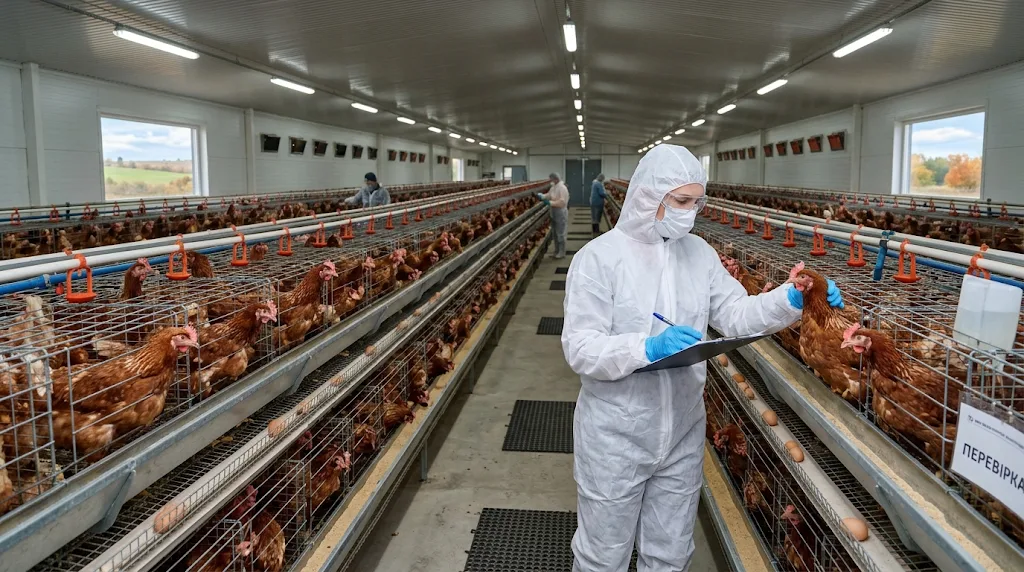
New outbreaks in November
Highly pathogenic avian influenza H5N1 was confirmed in commercial poultry near Dersingham, Norfolk, on November 9, 2026, followed by outbreaks near Dereham and Market Rasen. Authorities declared 3 km protection zones and 10 km surveillance zones, and all poultry on affected farms are being culled (GOV.UK).
Human cases
In the US, 72 human H5N1 cases, including one death, have been confirmed in 13 states since April 2024. The latest, reported October 15, 2026, was a Washington state dairy worker with mild illness (ECDC). Cambodia reported its sixth human case of 2026 in September, a poultry farmer who had contact with sick and dead chickens (ECDC).
Is bird flu dangerous for the public?
The CDC says the current public health risk is low, though it is monitoring the situation closely (CDC). No sustained human-to-human transmission has been detected (ECDC). People at higher risk are those with close contact with infected birds, cows or contaminated environments (CDC).
Bird flu symptoms in humans
Red, irritated eyes (conjunctivitis), fever, cough, sore throat, muscle aches and, in severe cases, pneumonia. Tell your doctor if you develop symptoms within 10 days of contact with sick animals.
How to stay safe
- Don’t touch sick or dead wild birds; report them to local authorities.
- Avoid raw (unpasteurized) milk.
- Cook poultry and eggs thoroughly.
- Farm workers should use recommended protective equipment.
FAQ
Can I get bird flu from eating chicken? Properly cooked poultry and eggs are safe.
Is there a human bird flu vaccine? Vaccines exist for stockpiles but are not offered to the general public.
Does the flu shot protect against H5N1? No, but it lowers the risk of co-infection with seasonal flu.
