
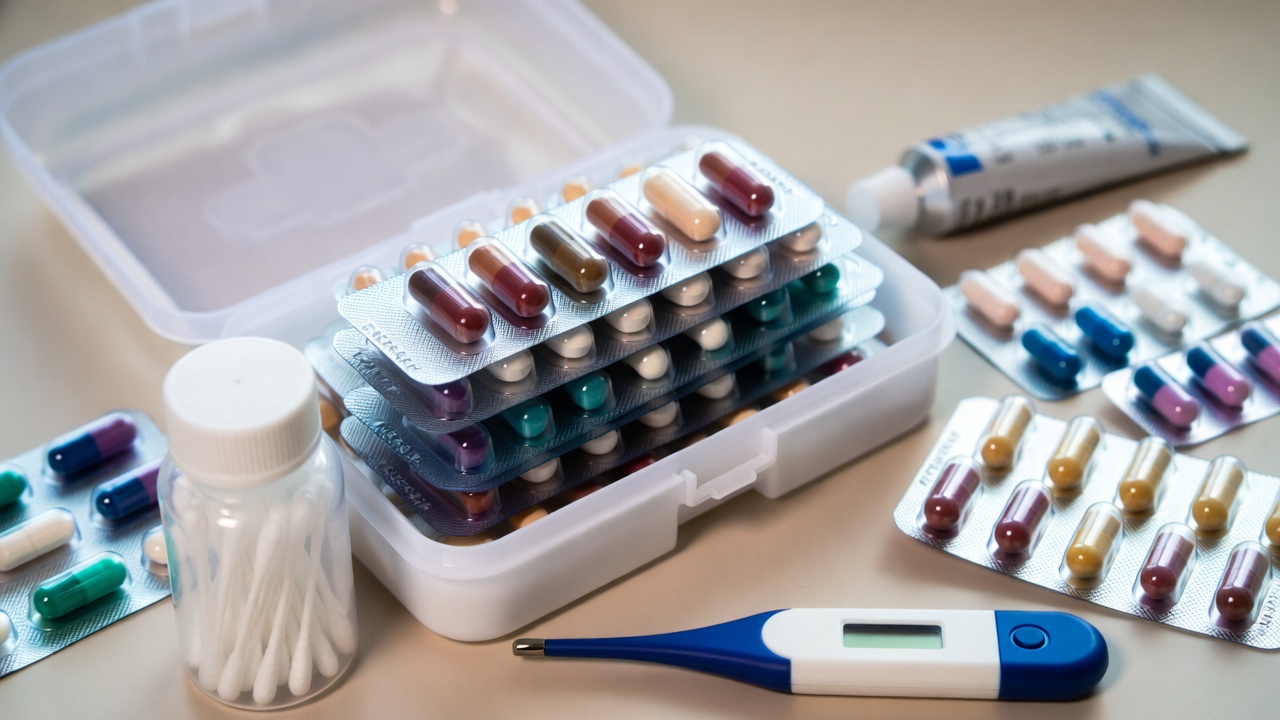
Emergency health situations often happen when we least expect them—late at night or during a busy weekend. Having a well-stocked medicine cabinet isn’t just about convenience; it’s about peace of mind. Whether it’s a sudden fever or an unexpected allergy, being prepared can save you a trip to the emergency room. Here is your ultimate guide to building a professional-grade home pharmacy.
1. The Core Essentials
Every household should have these basic categories covered:
- Pain & Fever Relief: Paracetamol (Acetaminophen) and Ibuprofen are the gold standards for managing headaches, muscle pain, and fevers.
- Digestive Health: Keep antacids for heartburn, and anti-diarrheal medication (like Loperamide) for stomach upsets.
- Allergy Relief: Antihistamines (like Cetirizine or Loratadine) are vital, even if you don’t have chronic allergies, for sudden reactions to stings or food.
- First Aid Basics: Antiseptic wipes, bandages of various sizes, and a reliable digital thermometer.
2. How to Store Your Meds Properly
Many people keep their medicine in the bathroom, but this is actually the worst place due to heat and humidity.
- Keep it Cool and Dry: A dedicated box in a kitchen cupboard (away from the stove) or a bedroom shelf is ideal.
- Safety First: Always store medications in a high place or a locked cabinet out of reach of children and pets.
- Original Packaging: Keep pills in their original blisters so you can always check the expiration date and dosage instructions.
3. Smart Shopping: Why Stock Up Online?
Buying your essentials in bulk through a trusted online pharmacy offers several advantages:
- Cost Efficiency: Generic versions of household meds are significantly cheaper online.
- Longer Expiry Dates: Online warehouses often have a higher turnover, ensuring you get the freshest stock.
- Convenience: No need to run to the store when you’re already feeling unwell.
4. The “Spring Cleaning” Rule
Every 6 months, go through your cabinet. Check for expired items. Never use expired medication, as the chemical potency can change, making it either ineffective or unsafe.
